
Choosing the right HVAC system is one of the most important decisions for any home or commercial property. HVAC systems control heating, cooling, ventilation, comfort, and indoor air quality. When homeowners understand how different HVAC systems work, they can make smarter decisions, save money on energy bills, and avoid costly mistakes. This guide explains HVAC system types in simple terms, helping you choose the best option for your needs.
What Is an HVAC System?
HVAC stands for Heating, Ventilation, and Air Conditioning. These systems regulate indoor temperature, humidity, and air quality. A complete HVAC system ensures comfort throughout the year by providing warmth in winter, cooling in summer, and clean air circulation all year long.
Central HVAC Systems
Central HVAC systems are among the most common systems used in residential and commercial buildings.
How They Work
These systems use a central unit to heat or cool air, which is then distributed through ducts to different rooms.
Best For
-
Medium to large homes
-
Buildings with existing ductwork
Pros
-
Even temperature control
-
High comfort level
Cons
-
Higher installation cost
-
Requires duct maintenance
Split HVAC Systems
Split systems are one of the most popular HVAC system types.
How They Work
They consist of two main units: one inside (air handler or furnace) and one outside (compressor).
Best For
-
Homes needing reliable heating and cooling
-
Replacement of older systems
Pros
-
Affordable
-
Efficient performance
Cons
-
Requires space for both units
Ductless Mini-Split Systems
Ductless HVAC systems are gaining popularity due to flexibility and efficiency.
How They Work
They use individual indoor units connected to an outdoor compressor, without ductwork.
Best For
-
Homes without ducts
-
Room additions or renovations
Pros
-
Energy efficient
-
Zoned temperature control
Cons
-
Higher upfront cost per room
Hybrid HVAC Systems
Hybrid systems combine traditional systems with modern energy-saving technology.
How They Work
They automatically switch between electric and gas power based on outdoor temperature.
Best For
-
Energy-conscious homeowners
Pros
-
Lower energy bills
-
Environmentally friendly
Cons
-
Higher installation cost
Packaged HVAC Systems
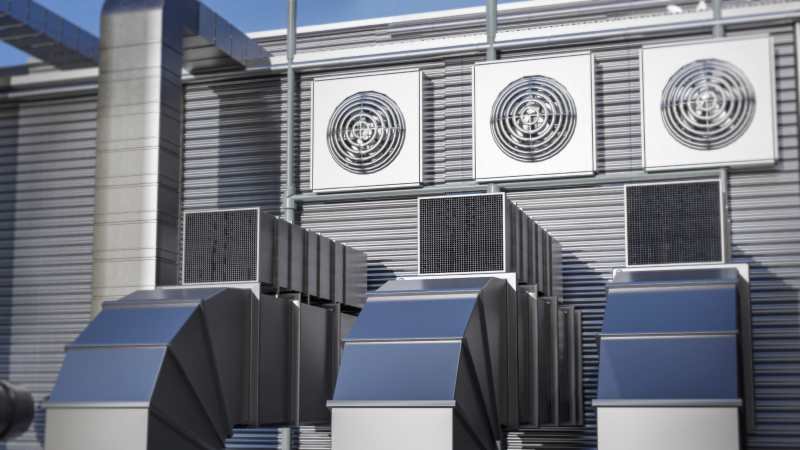
Packaged systems combine heating and cooling components into a single unit.
How They Work
All components are housed in one outdoor cabinet, typically installed on rooftops or near buildings.
Best For
-
Small homes
-
Commercial spaces
Pros
-
Space-saving design
-
Easier installation
Cons
-
Slightly lower efficiency than split systems
Geothermal HVAC Systems
Geothermal systems are the most energy-efficient HVAC option available.
How They Work
They use underground temperatures to heat and cool buildings.
Best For
-
Long-term homeowners
-
Eco-friendly projects
Pros
-
Extremely low operating costs
-
Long lifespan
Cons
-
Very high installation cost
How to Choose the Right HVAC System
Choosing the right HVAC system depends on:
-
Home size
-
Climate
-
Energy efficiency goals
-
Budget
-
Existing ductwork
A professional HVAC inspection ensures the correct system size and type for your property.
Signs You Need a New HVAC System
-
Rising energy bills
-
Uneven temperatures
-
Frequent repairs
-
Poor airflow
-
System older than 10–15 years
If you notice these signs, upgrading your HVAC system can improve comfort and reduce costs.
Why Professional HVAC Installation Matters
Even the best HVAC system will fail if installed incorrectly. Professional installation ensures:
-
Maximum efficiency
-
Longer system life
-
Warranty protection
-
Safe operation
A licensed HVAC contractor can recommend the best system and handle proper installation.
Conclusion: Make the Smart HVAC Choice
Understanding the different types of HVAC systems helps homeowners and businesses make informed decisions. Whether you choose a central system, ductless option, or energy-efficient hybrid, the right HVAC system improves comfort, air quality, and long-term savings. Investing in the correct system today leads to fewer problems and lower costs tomorrow.