
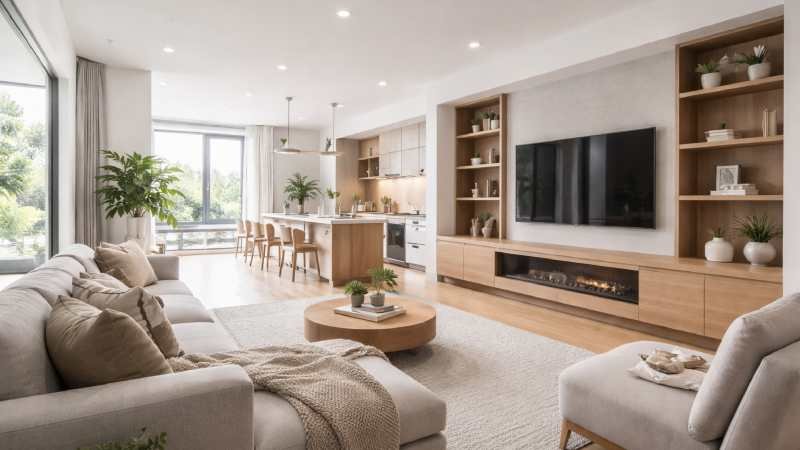
The concept of home design has evolved far beyond visual appeal. In modern living environments, design choices directly influence comfort, efficiency, and how smoothly daily routines function. Smart home design focuses on creating spaces that support human behavior, adapt to lifestyle needs, and use available space effectively. Rather than relying on technology alone, it combines thoughtful planning, layout, and functionality to improve everyday living.
This article explores how smart home design enhances comfort, functionality, and overall quality of life from an informational perspective.
Understanding Smart Home Design
Smart home design refers to intentional planning of living spaces to ensure they are practical, adaptable, and comfortable. It emphasizes how rooms are used, how people move through spaces, and how design elements support daily activities.
Key aspects of smart home design include:
-
Efficient space utilization
-
Logical room layout and flow
-
Integration of natural light
-
Functional storage solutions
-
Adaptability for future needs
The goal is to create a home that works effortlessly for its occupants.
The Relationship Between Design and Comfort
Comfort in a home is influenced by more than furniture or décor. Design decisions play a significant role in how comfortable a space feels.
Spatial Comfort
Proper spacing between furniture and clear walking paths reduce physical strain and improve movement.
Thermal and Lighting Comfort
Design that considers airflow, insulation, and natural light contributes to stable indoor temperatures and reduced reliance on artificial lighting.
Acoustic Comfort
Thoughtful room placement and material choices help minimize noise, supporting rest and concentration.
Improving Daily Functionality Through Design
Smart home design improves functionality by making everyday tasks easier and more efficient.
Examples include:
-
Kitchens designed around workflow and accessibility
-
Entryways with organized storage for daily essentials
-
Bathrooms planned for ease of movement and hygiene
-
Living spaces that support both relaxation and social interaction
When design supports routine activities, daily life becomes smoother and less stressful.
Space Planning and Layout Efficiency
Effective layout planning ensures that every area of a home serves a purpose. Smart design avoids wasted or awkward spaces by:
-
Aligning room sizes with usage needs
-
Creating open or semi-open layouts for flexibility
-
Using transitional spaces efficiently
This approach is particularly valuable in smaller homes and urban living environments.
The Role of Storage in Smart Home Design
Storage is a core component of functional home design. Smart storage solutions help reduce clutter while maintaining accessibility.
Key storage principles include:
-
Built-in storage to maximize space
-
Vertical storage to utilize wall areas
-
Hidden storage to preserve visual clarity
-
Room-specific storage planning
Well-designed storage contributes directly to comfort and organization.
Flexibility and Adaptability in Modern Homes
Lifestyle needs change over time due to family growth, remote work, or aging. Smart home design prioritizes adaptability by allowing spaces to serve multiple purposes.
Examples include:
-
Multi-functional rooms
-
Adjustable storage systems
-
Flexible furniture arrangements
-
Design choices that accommodate future modifications
Adaptable homes remain functional and comfortable long term.
Psychological Benefits of Thoughtful Home Design
An organized and well-designed environment supports mental well-being. Reduced clutter, balanced lighting, and efficient layouts can:
-
Lower stress levels
-
Improve focus and productivity
-
Enhance relaxation and rest
-
Promote a sense of control and comfort
Smart home design contributes not only to physical comfort but also emotional balance.
Sustainability and Efficiency Considerations
Smart home design often aligns with sustainability goals by promoting:
-
Efficient use of materials
-
Reduced energy consumption
-
Natural ventilation and daylighting
-
Long-lasting design solutions
These choices improve efficiency while supporting environmentally responsible living.
The Importance of User-Centered Design
User-centered design focuses on how occupants interact with their home. By observing daily habits and routines, designers can create spaces that naturally support behavior rather than forcing adjustments.
This approach ensures that homes feel intuitive and practical rather than restrictive.
Informational Summary
Smart home design enhances comfort, functionality, and daily living by aligning space planning, storage, lighting, and adaptability with human needs. Rather than focusing solely on appearance, it prioritizes usability and long-term livability. Thoughtful design decisions create homes that are easier to maintain, more comfortable to live in, and better suited to changing lifestyles.
Understanding smart home design principles allows homeowners and professionals to make informed choices that improve both living quality and home performance.